0k+
Objections Submitted





One of ObjectNow’s core functions is breaking down complex planning applications into understandable, relevant information.
The platform helps users identify what is being proposed, which policies apply, and where potential issues or inconsistencies exist within the developer’s submission. This allows people to engage with planning on substance rather than emotion alone.
By providing structure and guidance, ObjectNow enables users to respond to proposals with clarity and confidence, even where they have no prior experience of the planning system.

ObjectNow does not encourage informal comments or generic objections that can be easily dismissed.
Instead, it helps individuals submit structured objections that align with planning policy, statutory duties, and material considerations.
Each objection is generated for a real person, based on the specific application, and submitted directly to the relevant authority. This ensures that objections are formally recorded, counted, and required to be considered as part of the legal decision making process.
The result is participation that carries weight rather than being treated as background noise.
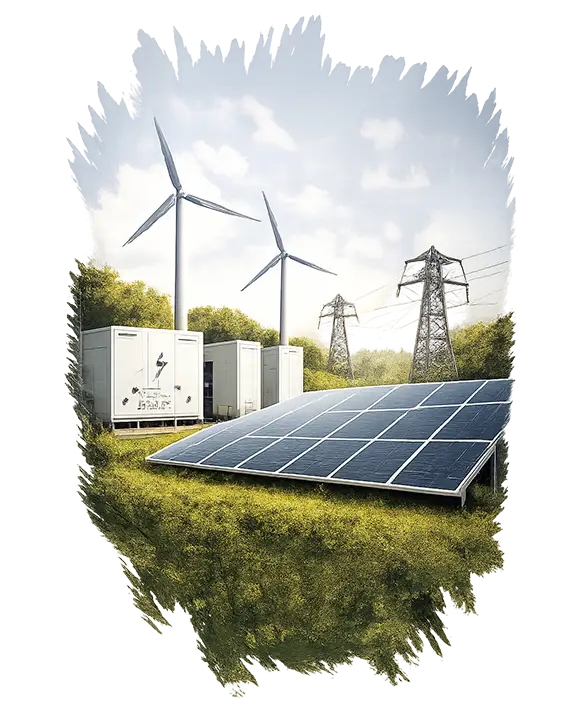
In Scotland, ObjectNow has played a key role in helping local communities respond to major energy infrastructure proposals.
Rather than acting as a campaign body, ObjectNow provides practical tools that enable individuals to submit high quality, evidence based objections in their own name, ensuring every voice is formally recorded.
This has been especially important in relation to the proposed SSEN 400 kV overhead line in northern Scotland, where concerns include landscape impact, environmental damage, agricultural disruption, and community wellbeing.
By enabling large numbers of consistent, policy grounded objections, ObjectNow strengthened community scrutiny within the formal planning framework and helped prompt councils across northern Scotland to raise objections across multiple sections of the proposal.

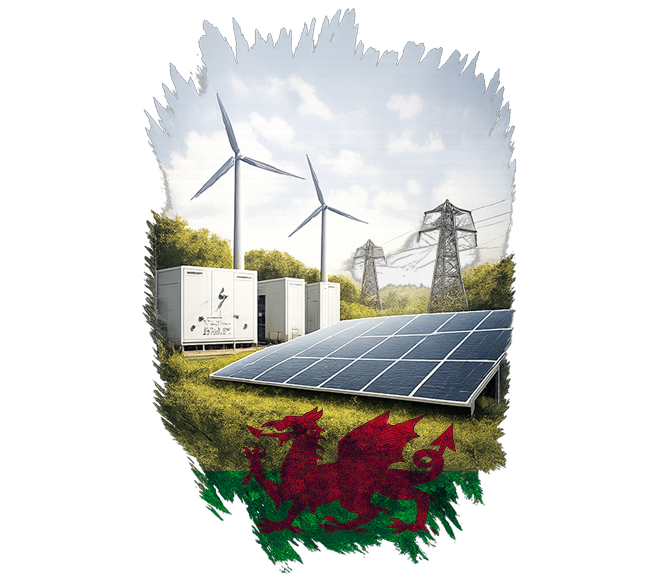
ObjectNow has also had a clear and measurable impact in Wales, where the platform has been used to scrutinise complex planning applications submitted to Planning and Environment Decisions Wales.
In one notable case, analysis and objections generated through ObjectNow helped expose serious shortcomings in a developer’s submission, raising issues that had not been adequately addressed.
These findings were significant enough to contribute to the application being paused while further information was formally requested.
This outcome shows that when public engagement is informed, structured, and evidence based, it can directly influence how planning decisions are examined and progressed.
ObjectNow focuses on quality, not noise. Objections generated through the platform are individually created, relevant to the specific proposal, and framed in clear planning terms, making them harder to dismiss and more likely to receive substantive responses.
By lowering the barriers to participation, ObjectNow helps restore democratic accountability in planning decisions that have long term consequences for communities, land, and the environment. When people are given the right tools and information, they can engage constructively and influence outcomes.
This impact is reflected in paused applications, increased scrutiny, and stronger community campaigns, demonstrating that informed public objection is not an obstacle to progress, but a vital safeguard in responsible decision making.
We Are Here When You Need Us..!