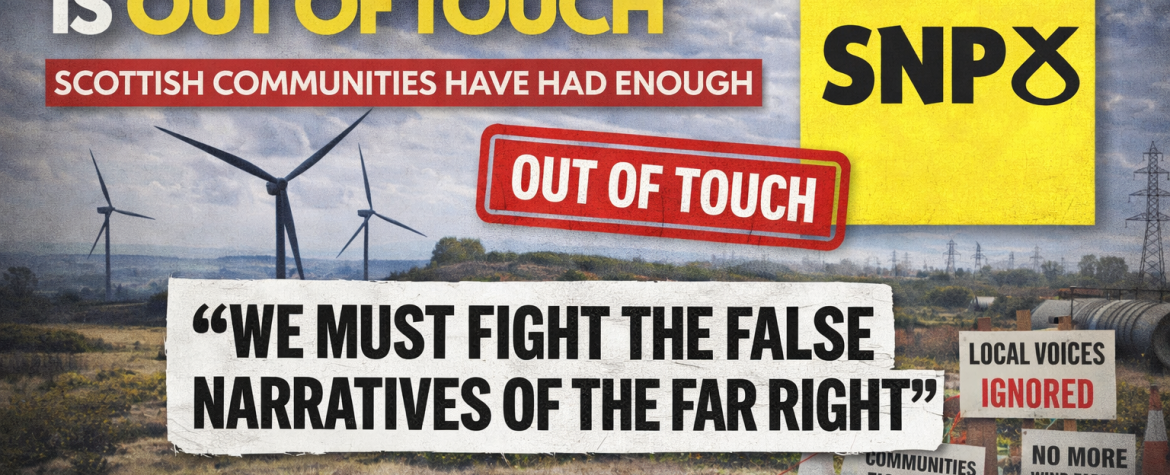
When a Cabinet Secretary suggests that opposition to large scale wind development is being driven by “false narratives of the far right”, that is not a throwaway remark. It is […]

Energy Planning

𝐑𝐄𝐏𝐎𝐑𝐓: 𝐒𝐜𝐨𝐭𝐥𝐚𝐧𝐝’𝐬 𝐑𝐞𝐧𝐞𝐰𝐚𝐛𝐥𝐞 𝐁𝐨𝐨𝐦 𝐚𝐧𝐝 𝐭𝐡𝐞 𝐏𝐥𝐚𝐧𝐧𝐢𝐧𝐠 𝐁𝐨𝐭𝐭𝐥𝐞𝐧𝐞𝐜𝐤
A detailed, evidence-led analysis of how Scotland’s renewable energy expansion is interacting with grid constraints and planning capacity, creating systemic pressure on communities and decision-making processes, and what devolved powers can be used to address it.
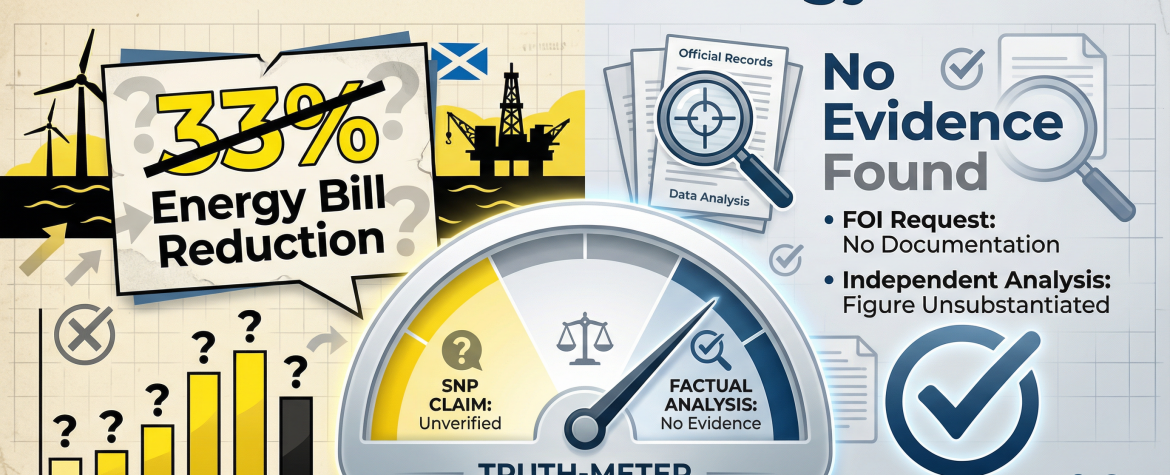
Fact Check: SNP’s ‘One-Third Off’ Energy Bill Claim Lacks Evidence, Analysis Reveals
A prominent SNP campaign claim states that Scottish independence would cut “household electricity bills by over a third”, and separately that it would cut “household energy bills by over a […]
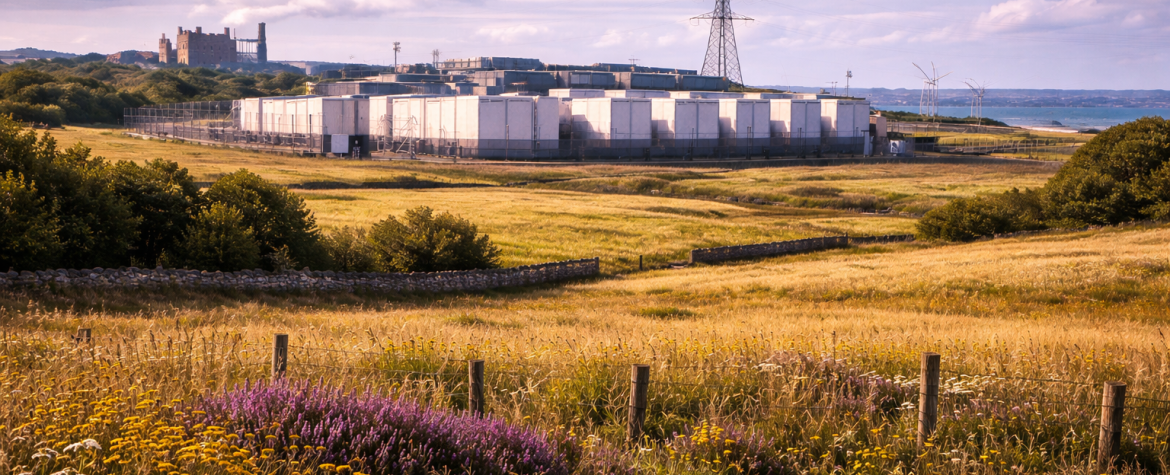
When Prevention Is Replaced by Permission
An analysis of the Mey Battery Energy Storage System decision and what it reveals about risk, prevention and environmental regulation when known impacts are acknowledged but approvals still proceed.

When Energy Policy Loses the Plot: How the Renewables Drive Is Sliding Into Absurdity
The renewables drive is drifting into increasingly extreme territory, where technical novelty is being mistaken for progress and real world consequences are treated as secondary concerns. From vast wind turbines reshaping rural landscapes to airborne machines tethered into busy skies, each new proposal adds complexity, risk and disruption while delivering ever more questionable benefits. This article examines how the pursuit of renewable energy at any cost is creating problems for communities, infrastructure and safety, and asks whether judgement has been lost in the rush to appear innovative.
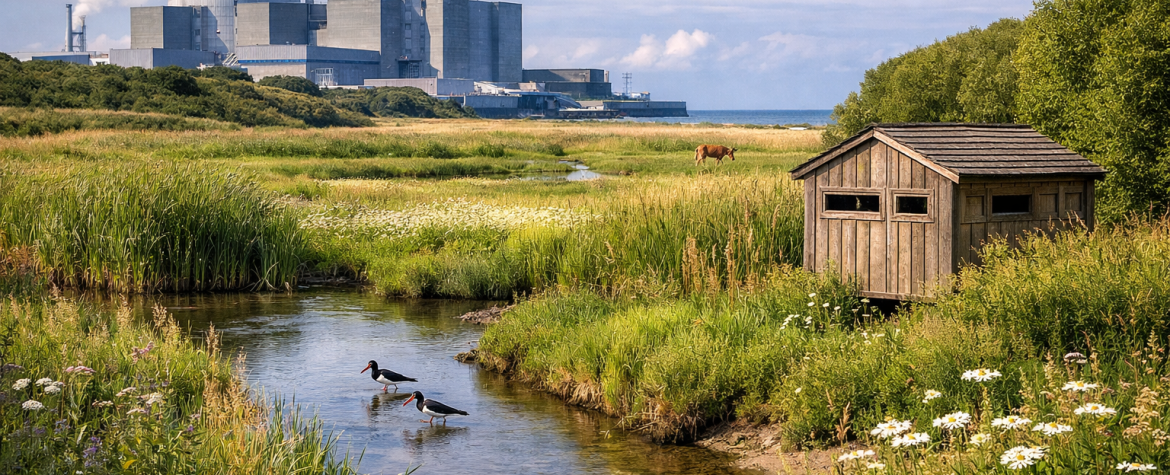
What is the Nuclear Regulatory Review and why it matters
The UK Government is reviewing the rules that govern how nuclear power projects are approved and regulated. While the stated aim is to speed up the delivery of low-carbon energy, the proposals could also weaken long-standing environmental protections for wildlife and protected landscapes. Understanding what the Nuclear Regulatory Review involves, and why public engagement matters, is important because the decisions made now could affect nature, planning law and infrastructure development for years to come.
BESS Blogging Democracy Energy Planning Offshore Wind Farms Public Rights Pylons Scottish Government Solar Parks Substations Tourism Wind Farms
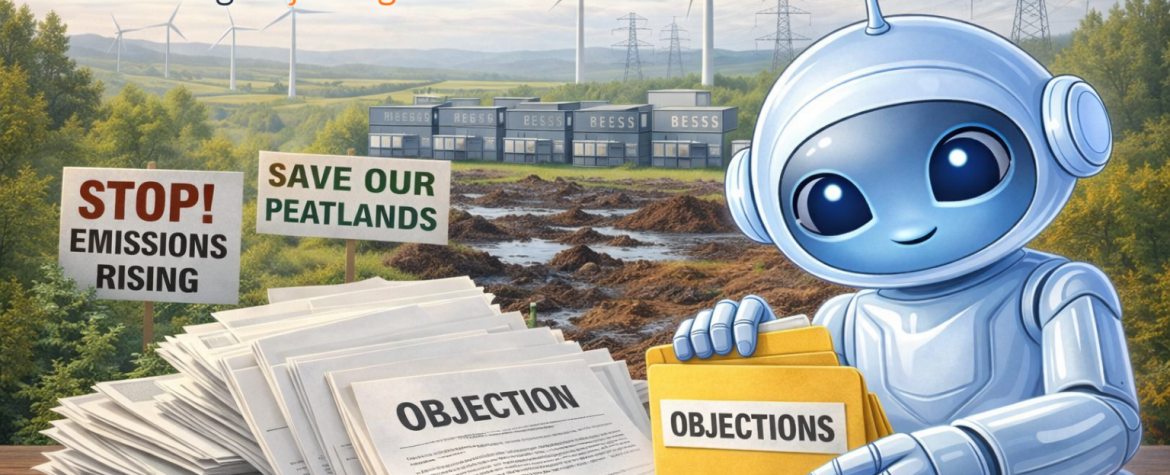
Scotland’s Expanding Energy Infrastructure and Its Carbon Impact
Scotland’s energy planning is at a critical crossroads. As onshore wind, offshore wind, solar farms, battery storage sites, pylons and substations expand at pace, serious questions are emerging about whether the current approach is genuinely reducing carbon emissions or quietly increasing them. This article examines how short infrastructure lifespans, repeated construction, peatland damage and grid inefficiencies are undermining Scotland’s climate advantage, while rural communities shoulder the environmental, health and economic impacts. With large scale developments facing growing public opposition, calls for a moratorium on energy planning in Scotland are intensifying until a transparent national energy strategy is published that properly accounts for true carbon costs, protects peatlands, and places public wellbeing at the centre of the energy transition.

Why growing political entanglement with renewable energy is a cause for concern in Wales
An analysis of planning law and governance issues arising from state involvement in renewable energy development and decision making in Wales.
Scotland’s Energy Scandal: Gillian Martin Quietly Removed Ahead of the Election
Mounting evidence has exposed how Scotland’s energy planning system has been shaped behind closed doors. As Gillian Martin is quietly removed from overseeing major energy consents following controversy over developer access, ObjectNow examines what this reveals about ministerial accountability, election timing, and why a moratorium on energy developments is now unavoidable.
