
When Energy Policy Loses the Plot: How the Renewables Drive Is Sliding Into Absurdity
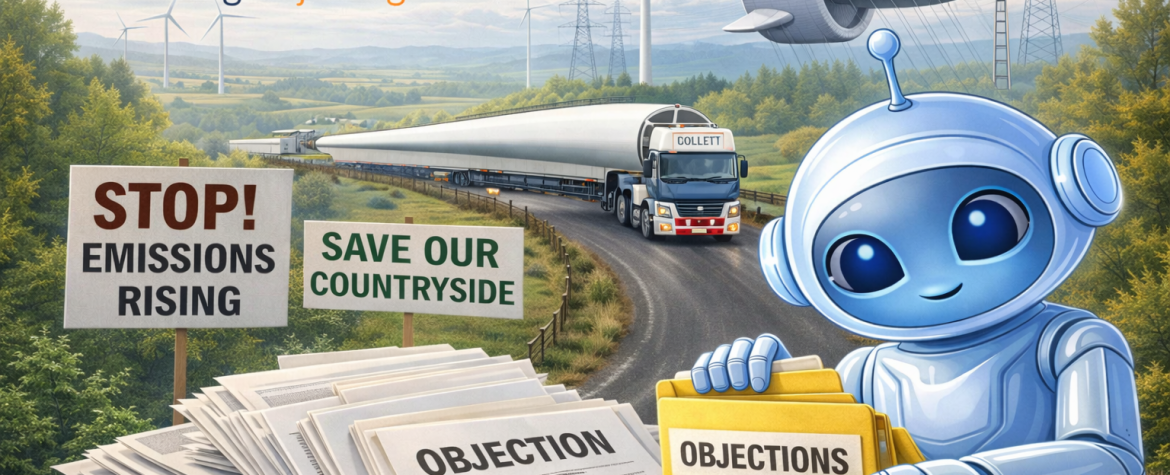
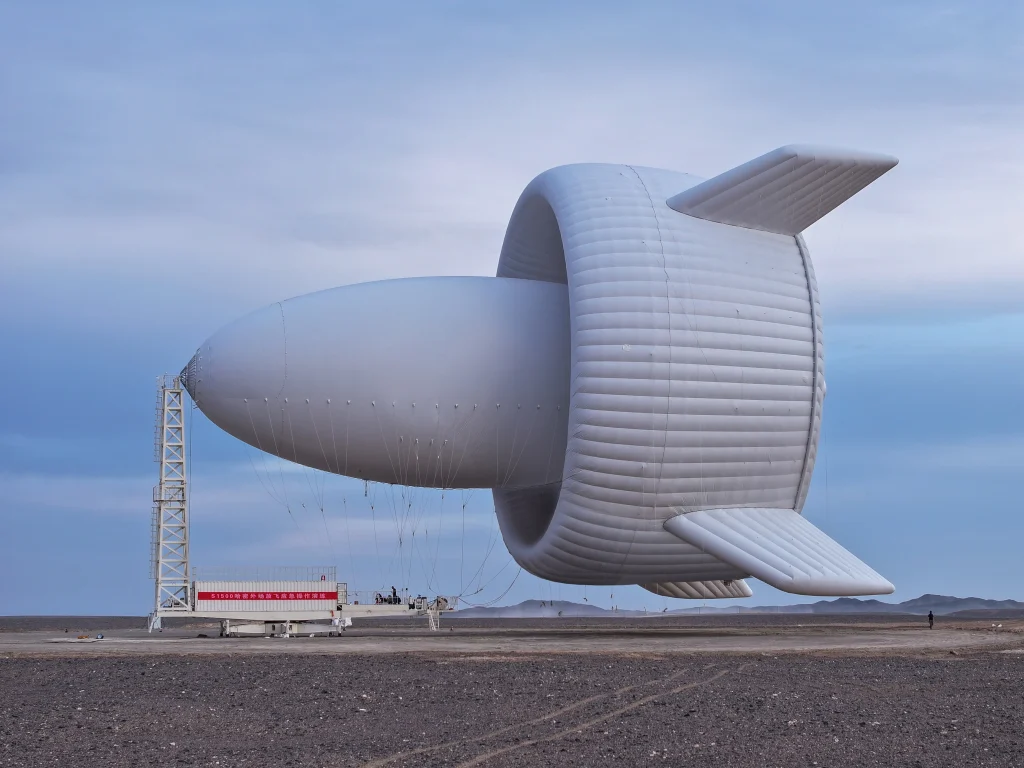
The global renewables push was supposed to be about sensible transitions, reducing emissions without creating new crises in the process. Increasingly, however, it is starting to resemble an arms race of ever more extreme ideas, each one more detached from physical reality than the last. The latest proposal to capture wind using tethered airborne turbines floating kilometres above the ground is not an outlier. It is a symptom of a wider problem. Energy policy is drifting away from evidence, restraint and common sense, and towards spectacle.
This is no longer about careful decarbonisation. It is about chasing theoretical gains while offloading risk, disruption and cost onto landscapes, communities and systems that were never designed to absorb them.
From engineering to theatre
At headline level, airborne wind power is sold as clever and elegant. Higher altitude winds are stronger and steadier, therefore energy capture must be better. But this thinking belongs to a vacuum. Once placed into the real world, the idea collapses under its own weight.
Low altitude airspace is not empty. It is a working environment used by emergency services, general aviation, military training, agriculture and surveying. Introducing large airborne machines tethered by long cables into this space is not innovation. It is reckless interference. The fact that such concepts are being discussed seriously tells us how far the renewables narrative has drifted from operational reality.
This is not engineering serving society. It is engineering daring society to adapt around it.
The myth of unused space
A recurring claim in renewables promotion is that wind and sky are underutilised resources. This framing ignores everything else that already depends on those spaces. Airspace is regulated because mistakes kill people. Landscapes are protected because damage is often irreversible. The notion that we can simply add more infrastructure vertically and horizontally without consequence is fantasy.
Tethered airborne turbines introduce moving hazards, invisible cables and unpredictable failure modes. Unlike fixed structures, they shift, drift and respond to weather in complex ways. When something goes wrong, and it eventually will, the consequences are not confined to a fenced compound. They fall out of the sky.
Conventional wind is not the safe fallback
What makes this moment especially troubling is the way increasingly extreme technologies are justified by pointing back to conventional wind power as a proven success. That assumption does not withstand scrutiny.
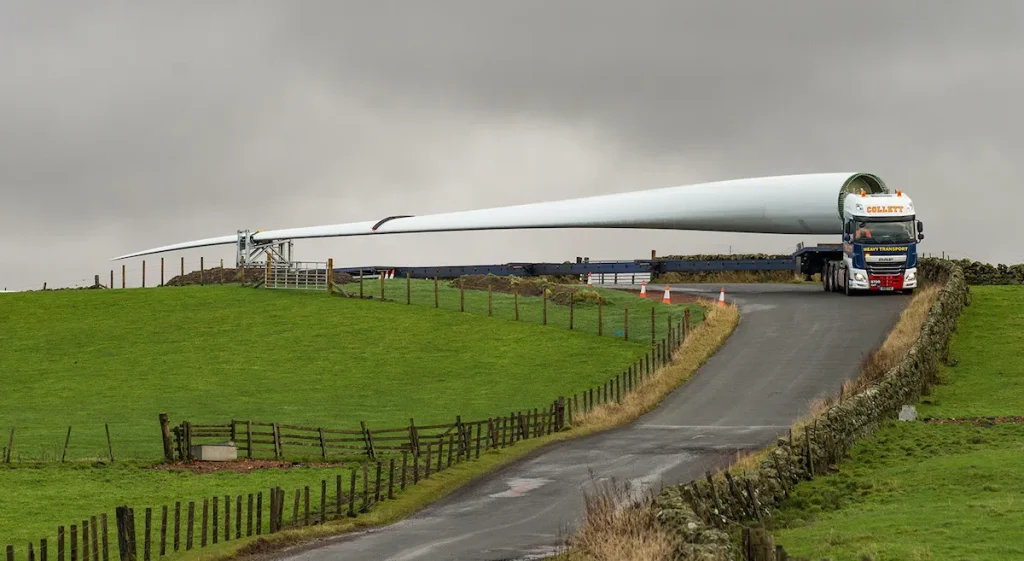
Large scale wind turbines carry substantial carbon costs long before they generate electricity. Steel, concrete, composites and rare earth metals are extracted and processed through energy intensive supply chains. Foundations disturb soils that often store more carbon than the turbines will ever save. Transport alone can involve hundreds of heavy vehicle movements through rural areas, permanently altering road networks and landscapes.
Operational impacts continue throughout a turbine’s life. Maintenance, component replacement and access infrastructure lock in ongoing emissions and disturbance. Decommissioning, when it finally happens, introduces another wave of disruption, waste and carbon cost. Blades remain a disposal problem that the industry still has not solved.
None of this means that wind power never reduces emissions. It does mean that the simplistic narrative of clean, benign infrastructure is misleading. Context matters. Location matters. Cumulative impact matters. These factors are increasingly brushed aside in the rush to deploy more, faster and bigger.
Escalation instead of reflection
Rather than pausing to reassess these realities, the renewables drive appears to be escalating. Taller turbines, wider blade sweeps, denser developments and now vertical expansion into the sky itself. Each step adds complexity, risk and conflict, while marginal gains become harder to justify.
What is missing from this discussion is humility. Energy systems exist within societies, ecosystems and legal frameworks. When technologies start demanding exemptions from aviation safety norms, landscape protections and public consent, the problem is no longer public resistance. The problem is the technology.
Who carries the risk?
A consistent feature of these proposals is that the downsides are rarely borne by those promoting them. Developers take the upside. Communities inherit the disruption. Pilots, emergency services and regulators inherit the danger. Insurers inherit the uncertainty. Future generations inherit altered landscapes and unresolved waste.
This imbalance is not accidental. It is the product of policy environments that reward deployment metrics over outcomes, and novelty over necessity.
A course correction is overdue
Decarbonisation is not optional. But neither is reality. The choice is not between doing nothing and accepting any idea labelled green. It is between thoughtful transition and uncontrolled experimentation.
Airborne wind turbines hovering over countryside and cities are not a serious answer to the energy challenge. They are a warning sign that the renewables agenda is losing coherence. When solutions start to resemble science fiction props rather than infrastructure, it is time to stop and ask hard questions.
Not everything that can be built should be built. Not every problem needs a machine. And not every claim of innovation deserves automatic approval.
If this is the direction the renewables drive is heading, then the real crisis may not be energy at all, but judgement.

Leave A Comment